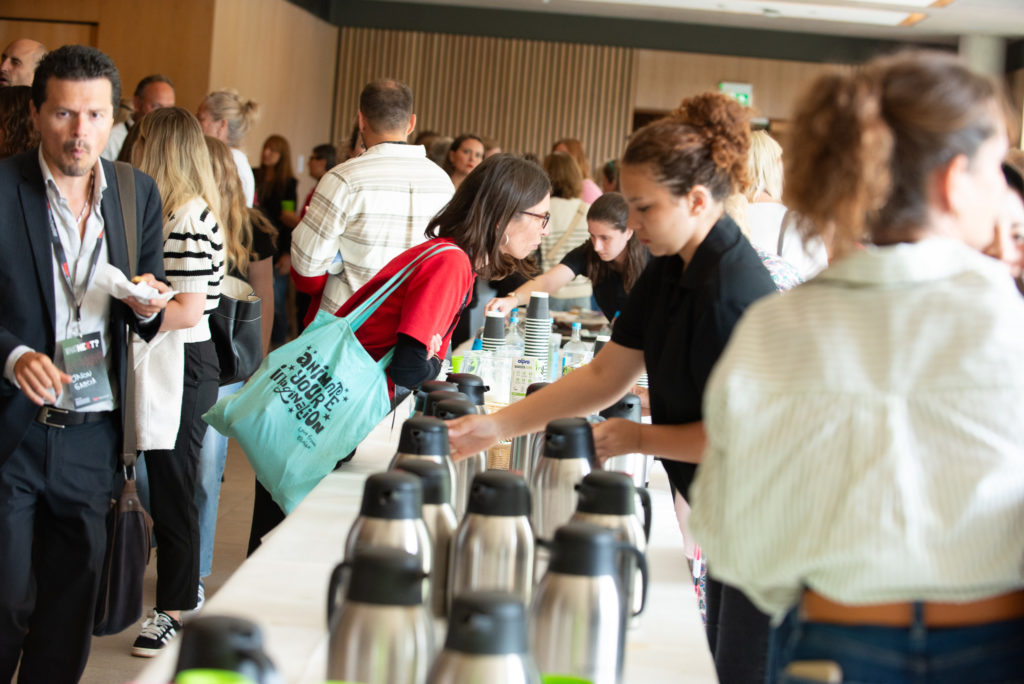
This expert knows the value of events:
“Events are connection. Content is part of them.” — Julius Solaris
There is a concept worth sitting with for a moment: a gathering is the creation of a temporary alternative world.
Think about what that actually means. Inside that world, anything is possible. THAT is the value of events and why the room still matters.
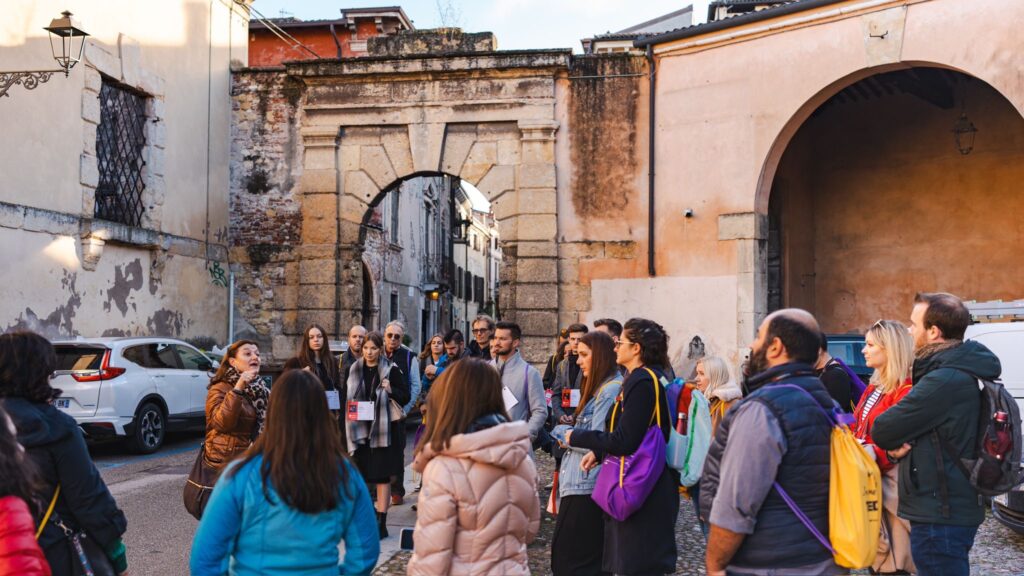
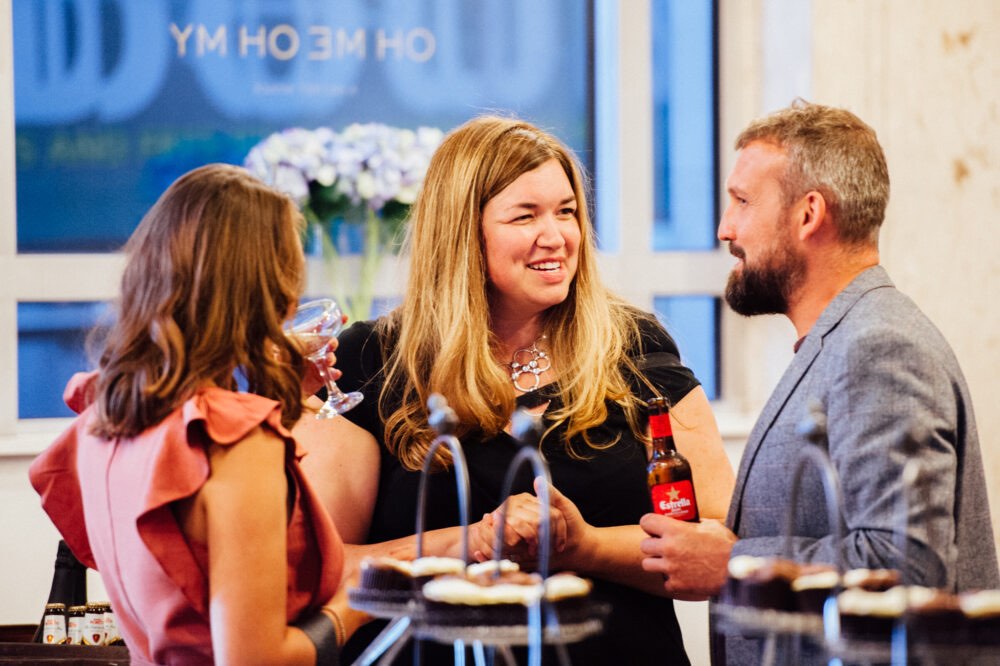
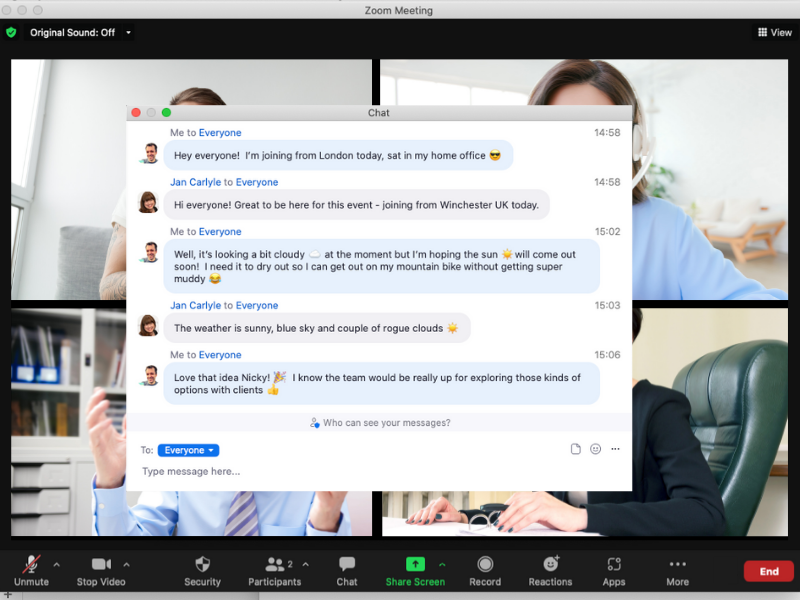
When you bring people into a room – physically or virtually, but particularly physically, you are not just scheduling time in their diary. You are constructing a world with its own rules, its own atmosphere, its own sense of possibility. Outside this event space however, (if you can manage the attendees to leave their phones in their pockets!) there are emails to answer, fires to fight, budgets to manage, and so on. But, inside your event, something different is possible. People are present. They are open, listening and they are eager to connect.
That is not something a LinkedIn post can do.
Where events live in your business
Every company, from a global consultancy to a two-person start-up, has a growth problem to solve. How do you reach new clients? How do you deepen relationships with existing ones? And how do you stay visible and credible in a crowded and busy market?
Most organisations answer this question with content, thought leadership articles, newsletters, webinars, white papers. Content has its place. But Julius Solaris (and we are big fans!) got it exactly right: content is part of events, not the other way round. Events are the container. They are where connection actually happens. We follow Julius on social – are you even in events if you’re not?
In tech and digital sectors, in health, education and law, trust is the primary currency. Clients are not buying a product off a shelf – they are entering into a relationship, often a long-term one, with a company they need to believe in. Events are one of the most powerful mechanisms available to build that trust because they are the one format where you cannot fake presence. The opportunity to demonstrate trust is one way to describe the value of events.
The CEO’s ‘hit list’
Here is a story that illustrates the commercial logic of events more clearly than any marketing framework:
A CEO at a UK agency had a list. Ten companies. Each one represented a potential contract worth £1 million or more. Her brief to her marketing team was direct: “Create me an event that is good enough to get the CEO of each of those companies in the room with me.”
Not a cold email campaign. Not a retargeted ad sequence. An event.
Because she understood something that gets lost in the noise of digital marketing: the hardest part of closing a major contract is not the proposal, the pitch, or the pricing conversation. It is getting in front of the right person, in the right context, when they are not time-pressured. She understood the value of events. An event does that. It gives a legitimate, non-transactional reason to connect. It signals credibility and investment. And crucially, it creates the conditions for a real conversation. A conversation where relationship begins. You have to think about your why and your purpose for your event.
What events actually do for your business – the value of events
Strip away the logistics and the production decisions, and events do three things that almost nothing else in the marketing toolkit can do as well.
- They give you a reason to reach out. In a world saturated with unsolicited contact, an invitation to something genuinely valuable is welcome. It opens doors to prospects who would have ignored a sales email. Or to clients you have not spoken to in months. And is a gateway to partners and collaborators you have been meaning to connect with.
- They compress the relationship timeline. A conversation at an event can do the work of six months of email exchanges. When people share a room, a discussion, and experience, a moment of genuine insight or laughter, something shifts. The relationship moves faster. Trust accumulates.
- They put your brand in its best light. How you run an event is a window into how you run your business. A well-conceived, thoughtfully delivered event tells every person in the room: these people know what they are doing, and they care. That is a brand statement that no brochure can match. This is the value of events.
Events are not a cost – they are a strategy
The question CMOs often face is one of return on investment. Events carry budget. They carry risk. They require time, planning, and resource that could theoretically be deployed elsewhere. But the question is not “Can we afford to run events?” The question is “What is the cost of not being in the room?”
Every major contract that was won over dinner, every partnership that began at a conference, every client relationship that deepened because two people had a real conversation — those outcomes have a value. Events are not a line item in the marketing budget. They are a strategic mechanism for business development.
The temporary alternative world you create when you bring people together is, in commercial terms, one of the most valuable things you can build.
Ready to think about what an event could do for your pipeline? The conversation starts with a clear sense of purpose and who you want in the room.
And, more importantly, how do you want them to feel when they leave?